
Discovering Canis Major – The Greater Dog of our Winter Skies
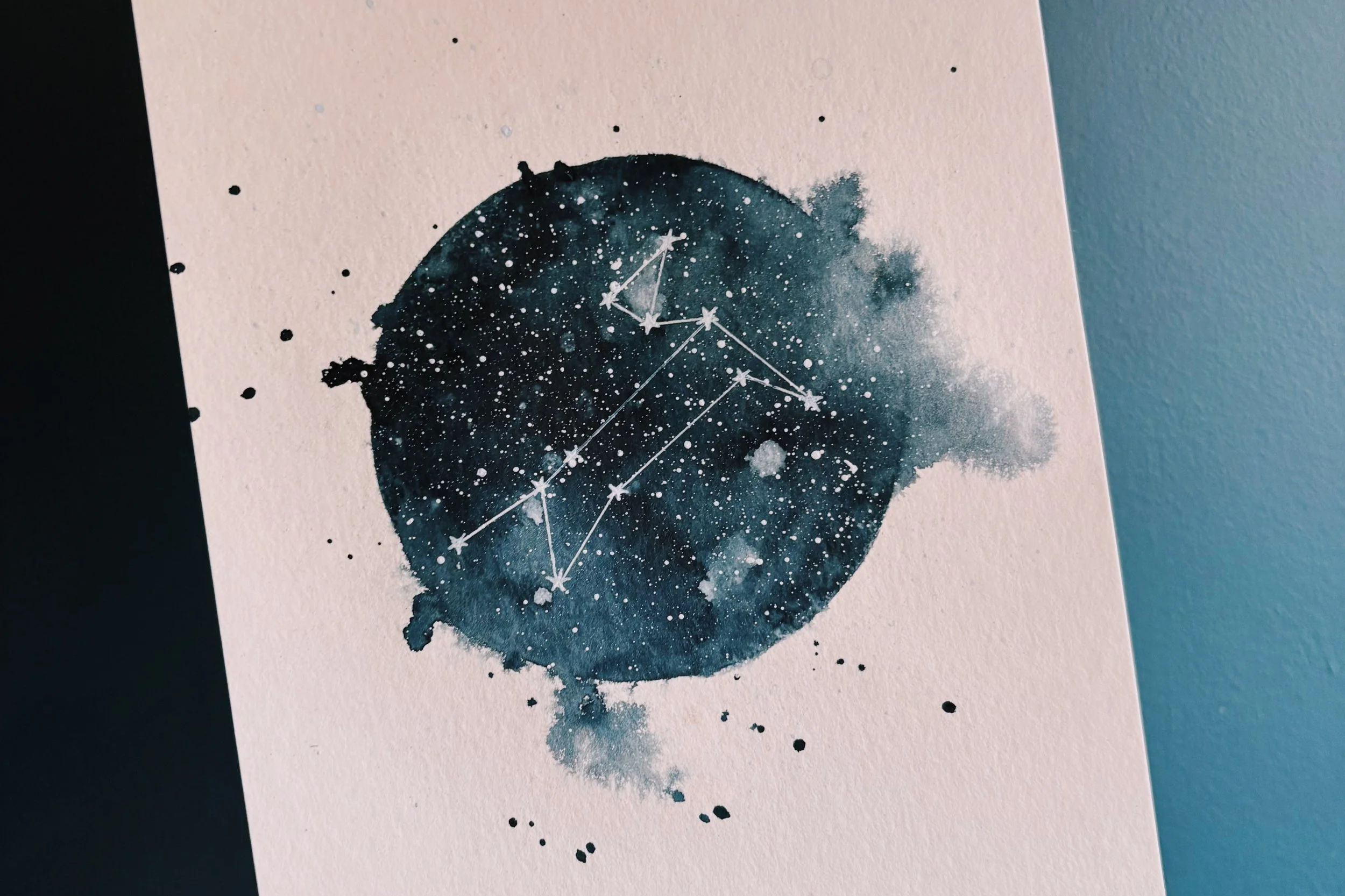
One upside to these long cold winter nights is just how much more visible the night sky becomes. Search the horizon and you’ll find a flicker of colour belonging to Sirius, the brightest star of Canis Major, the legendary hound that has guided humanity for thousands of years.
It’s important to point out that Canis Major isn’t a constellation “discovered” by a single observer. It’s one inherited across civilisations, from ancient Greeks and Egyptians to Babylonians and Indigenous cultures worldwide. The famous Greek astronomer Ptolemy (2nd Century CE) formally recorded Canis Major in his Almagest, but this constellation was already one of the oldest recognised clusters of stars in history.
Greek mythology
Canis Major, which means 'greater dog' in Latin is said to be Laelaps, the loyal guard dog of Orion. Known as the fastest dog in the world, Laelaps caught everything he hunted. One day, King Cephalus sent it after the Teumissian fox, a mythical animal known for being impossible to catch. The two chased each other for years and once Zeus realised there was no end in sight, he placed them in the sky to continue their competition for the rest of eternity.
Egyptian connection
During ancient Egypt, the star Sirius was known as Sopdet and rose from the horizon once a year and crucially, at pretty much the same time each year. This event happened to correspond almost exactly with the start of the Nile’s summer flood, which was caused by monsoon rains upstream in the Ethiopian Highlands. So perfectly timed were these two events that the Egyptians built their calendar around it, using Sopdet’s ascension as a sort of celestial alarm clock for the start of their summer.
Did you know?
The Egyptians structured their calendar around three seasons: Akhet (Inundation), Peret (Growth) and Shemu (Harvest).
Navigation & Folklore
Siris’s brightness made it a key winter navigational tool across many cultures. Sailors used it as a reliable guide on dark winter seas and medieval European folklore sometimes associated the star with omens of harsher weather.
Where to find Canis Major
The best time to spot the constellation is between December and March, around 9pm – 11pm from an open area as it sits lower on the horizon in the UK. Start by locating Orion’s Belt (three bright stars in a straight line), then follow it downwards and left. It points directly to Sirius, which marks the nose/head of the hound. From there, the other stars form a gentle curve like a dog mid-stride.
Each journal piece takes hours of research, reading and writing. I'll never put it behind a paywall – these stories belong to everyone. But if you'd like to help fuel the next one, I'd be truly grateful.
Shop Canis Major artwork

CANIS MAJOR
The Greater Dog
A loyal hunting dog chasing the winter sky.
Celebrate the magic of the winter night sky with this delicate A6 Keep & Frame Greeting Card. Originally hand-painted in delicate watercolour and ink, this card is professionally reprinted on premium 316gsm fine art paper to preserve every brushstroke and soft celestial detail. It’s designed to be framed and treasured long after the festivities end.
Leave your message inside, gift it to someone special, and let the artwork live on as a beautiful seasonal print.
Includes brown Kraft envelope.
3 for £10 and 5 for £15 bundles also available